lunabet · live casino

Live tables, clear reading

At lunabet, the live casino calls for attention to what appears on the screen: table, rhythm, stream signals, and the way each round is followed. Here, the focus is on comparing these points clearly, without promising shortcuts or inventing an advantage.

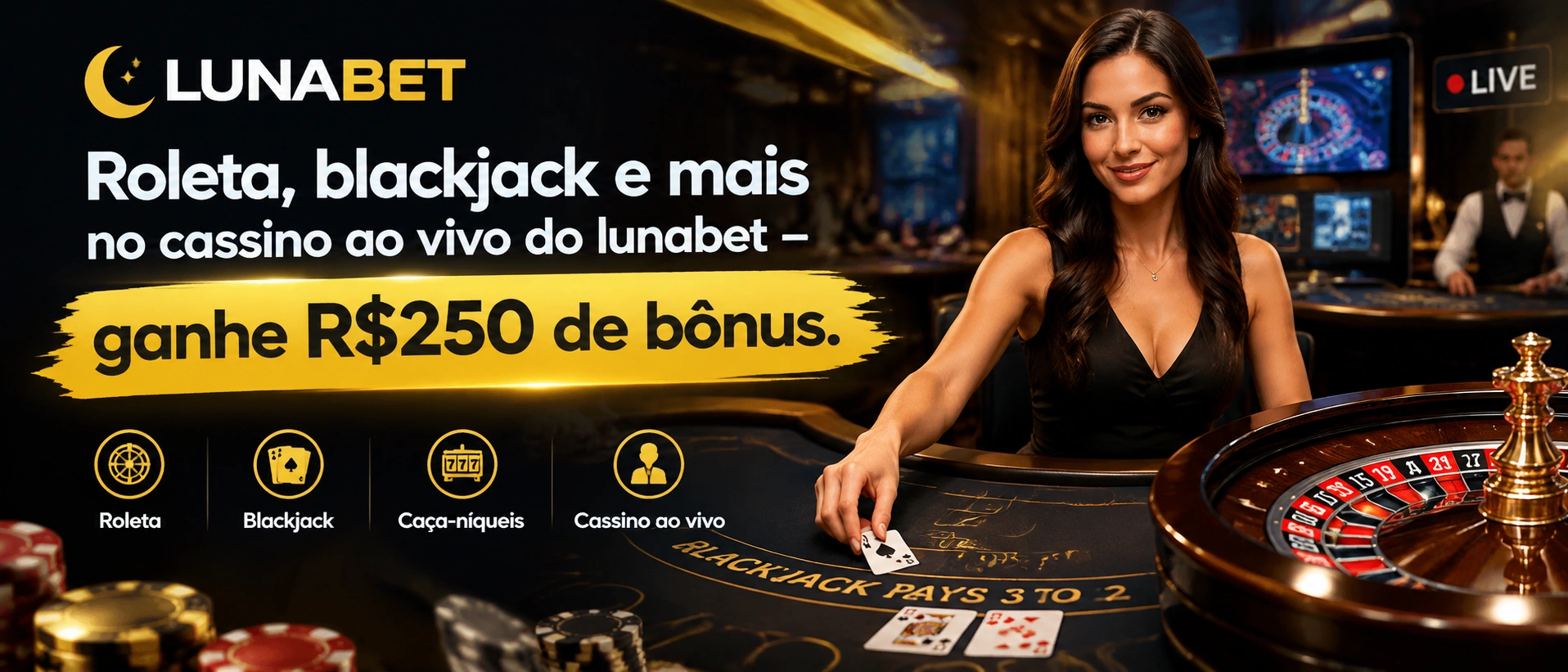
lunabet live casino banner

The opening image highlights the tone of the topic: table in focus, visual reading, and attention to the movement of the stream.

Direct comparison

What changes from one table to another

Before moving on to a specific game, it is worth looking at the elements that most affect how the experience is read. The same stream can feel fluid in one format and denser in another. The table below separates the points that usually matter most.

Criterion What to observe Practical reading at lunabet
Table format Cards, roulette, or tables with more panels change the pacing of the screen. The format helps you understand whether the experience calls for calm observation or closer attention.
Stream rhythm Intervals between actions, dealer pauses, and the table's response time. When the rhythm is clear, the reading of the round becomes less scattered.
Visible information History, displayed rules, controls, and areas that concentrate match data. The more legible the interface is, the easier it is to follow what is happening.
Camera framing The focus can be wide, tight, or alternate between the table and details. The framing defines how much the scene helps or hinders reading the environment.

Practical points for comparing tables

Beyond format and rhythm, it is worth observing how each table organizes the attention of whoever is following the stream. In some, the visual center is almost entirely on the main action; in others, there are side areas with information that compete with the cards, the roulette, or the other elements of the table. When the screen feels crowded, reading tends to require more effort. A cleaner composition, on the other hand, helps you quickly recognize what changed from one round to the next, without relying on constant rereading.

Another point that changes quite a lot is the way the history appears during the session. There are tables where recent results stay visible all the time and others where this feature takes up less space or appears more discreetly. This changes the sense of tracking, because the eye can easily return to what just happened or need to find the information again. In practical terms, this difference influences the way you review the sequence without losing focus on the present.

The position of the controls and the actions available in the interface also matters. When buttons, selectors, and confirmation areas are close to the main field, navigation is usually more direct. If these elements are spread across several points on the screen, the table may require more familiarity before the reading feels natural. That is why comparing tables is not just about looking at the game itself, but understanding how each layout organizes the visual path to decision-making.

The presence of the dealer and the way they interact with the table also change the experience. In certain formats, communication is more continuous and helps mark the progress of the round; in others, participation is more objective, with fewer verbal guidance elements. This affects the perception of pause, transition, and the end of each stage. For anyone evaluating different tables, this detail helps separate a more explanatory broadcast from a more streamlined one.

Another useful aspect is to observe whether the table favors immediate reading or depends on more attention to catch details. Tables with clear contrast, well-distributed elements, and consistent highlight areas are usually easier to follow. Screens with many simultaneous stimuli, on the other hand, may be better for those who like to keep up with everything closely, but less comfortable for a quick observation. The choice then depends on the type of follow-up that makes the most sense in each situation.

In the end, what changes from one table to another is the combination of visibility, organization, and pacing. Two broadcasts can have the same game and still offer very different experiences because of the way the interface presents each piece of information. Comparing these points before entering a table helps you understand what it demands from the eye and what it delivers more intuitively. That way, the reading becomes more consistent from the start of the session.


Three readings, three cuts

How the topic appears in each block

The points below expand the table. Instead of repeating definitions, each card explores a different angle of live casino at lunabet: scene, environment, and follow-up.

Table scene

The first layer is visual. The table dominates attention, and that applies to both cards and roulette. When the screen composition is clean, the eye quickly finds the center of the action.

  • Cards suggest sequence.
  • Roulette calls for the spin.
  • Extra panels ask for calmer reading.

Quick reading of the table

Beyond the visual impact, the table also organizes the pace of navigation. In card games, the arrangement of the fields helps you understand the order of actions without effort. In roulette, the central area usually highlights numbers, colors, and bets immediately. When the interface respects this logic, the user reduces doubt and follows each stage better.

Another important point is the relationship between usable space and secondary information. If buttons, rules, and histories are too close to the table, reading loses fluidity and attention becomes fragmented. That is why a good presentation separates what is essential from what serves only as support. This division makes the experience clearer, especially on smaller screens.

In practice, the table scene works better when each element has a visible function. A well-placed highlight guides the decision, while too many details can delay understanding. In live casino content, it is worth observing whether the table lets you recognize the game dynamics without needing to search for explanations too much, because that makes the experience more direct and organized.

Broadcast environment

The environment is not limited to the setting. It includes the dealer's posture, the distance between actions, and the way the table is framed. These signals change the sense of rhythm.

  • More pause, less rush.
  • More context, less noise.
  • More focus, less distraction.

Editorial reading

At lunabet, the interest is in noticing what the table communicates before any choice is made. Editorial reading helps separate what is a visual signal from what is only screen movement.

  • Where the information is.
  • What appears first.
  • What requires more attention.

Image and context

When the screen helps, reading becomes simpler

The perception of live casino improves when the interface makes it clear what is scene and what is game data. This avoids the feeling of excess and makes follow-up more objective.

In a well-presented table, the person quickly identifies the center of the broadcast, understands where the useful elements are, and can follow the round without having to search for information too much.
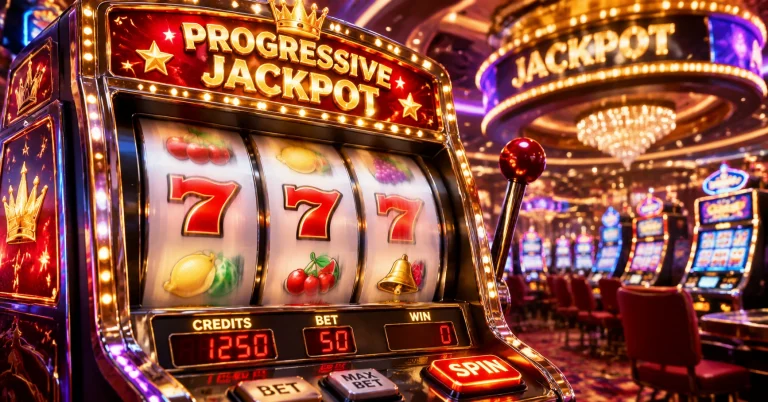
lunabet banner 2
lunabet live casino image 1

Useful readings

Short checklist to observe before entering

  • See whether the table makes it clear what is at the center of the action.
  • Observe whether the pace of the broadcast matches what you want to follow.
  • Confirm whether the interface elements help or hinder reading.
  • Notice whether the framing shows the table in a stable way.
  • Read the visible rules before moving on to any interaction.

Another angle

What a table conveys without saying a word

Some tables give off a sense of cadence. Others seem more open and lively. This does not define the result, but it does define the way the person reads the match.

That is why live casino at lunabet deserves comparison by setting, not by promise. The real interest lies in the combination of broadcast, visibility, and round context.

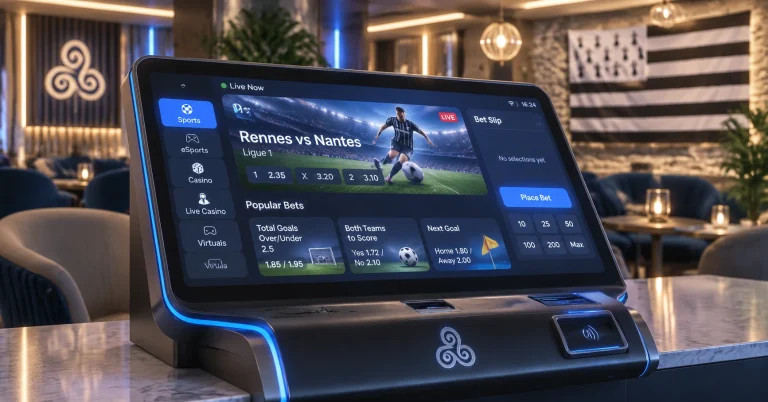
lunabet live casino image 2

Frequently asked questions

Questions that usually come up

What defines live casino at lunabet?

The main point is the real-time broadcast of the table, with visual signals that help you follow the match. Reading depends on the format, framing, and clarity of the interface.

Why compare different tables?

Because not every table communicates the same thing. Some call for continuous observation; others expose rules and controls more directly. Comparison avoids rushed reading.

What matters more: camera or information?

Both matter. The camera shows the scene, and the visible information gives context. When the two elements work well together, the experience becomes easier to read.

How do you use this page in practice?

Start with the table, move on to the cards, and then check the checklist. This path helps you look at live casino content with more criteria and less noise.

“In live casino, the table speaks before the round. Whoever reads the framing, the rhythm, and the interface signals understands better what is in front of the screen.”

Step by step

A simple guide for looking with more criteria

  1. Open the table and observe the overall composition without rushing.
  2. Identify where the main information appears on the screen.
  3. Read the rhythm between one action and the next.
  4. Compare the table format with the kind of follow-up it calls for.
  5. If the reading is clear, go to the page related to the topic you want to explore further.
lunabet live casino image 3

Final reading of the topic

When the table becomes the reference

In some broadcasts, the table stands out because of its visual design. In others, what draws attention is the way the game distributes information. The editorial interest lies exactly in that difference.

If the image shows the setting and the text shows the context, the path becomes clearer. That is the kind of reading that lunabet proposes for live casino.

Complementary image

Another cut of the same topic

lunabet live casino image 1 repeated
English (Philippines)